
Perbandingan Steam Trap Ball Float vs Thermodynamic vs Thermostatic
Perbandingan steam trap ball float vs thermodynamic vs thermostatic — prinsip kerja, aplikasi, kelebihan/kekurangan, sizing. Tabel lengkap 12 kriteria untuk pilih steam trap yang tepat.
PENGETAHUAN
Mitra Sahabat Engineering
1/5/20263 min read
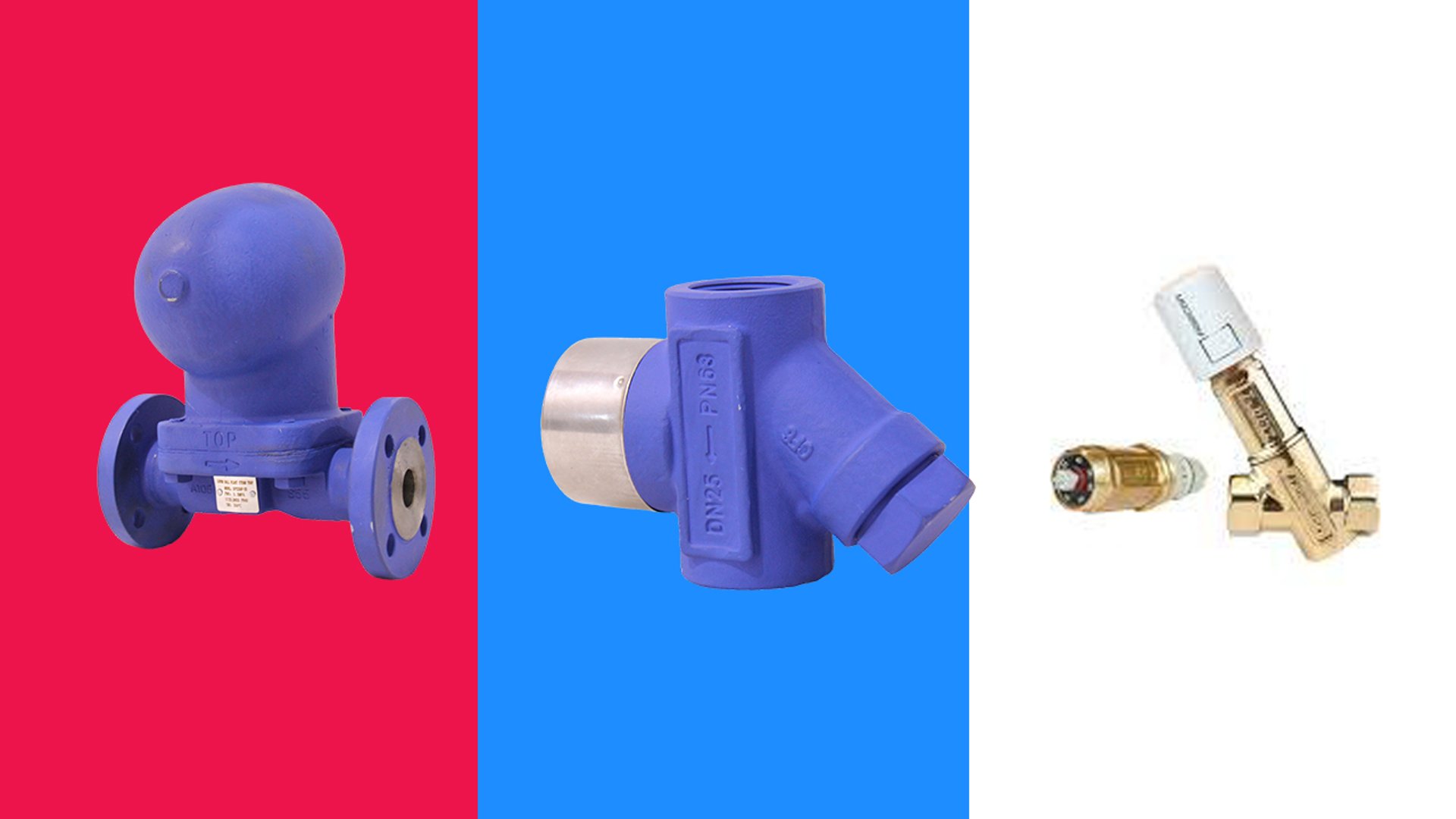
Perbandingan Steam Trap: Ball Float vs Thermodynamic vs Thermostatic Mana Yang Terbaik?
Kata Kunci Utama: perbandingan steam trap, ball float vs thermodynamic, steam trap terbaik untuk industri Kata Kunci Turunan: cara kerja steam trap, jenis steam trap, steam trap untuk heat exchanger, thermodynamic steam trap outdoor, ball float modulating
Perbandingan 3 Jenis Steam Trap Ball Float vs Thermodynamic vs Thermostatic
Steam trap remove condensate dari steam system. 3 jenis utama: ball float (level-based), thermodynamic (velocity-based), thermostatic (temperature-based). Ball float untuk heavy condensate continuous, thermodynamic untuk compact outdoor, thermostatic untuk start-up air venting.
Comparison Table 12 Kriteria
Cara Kerja Setiap Tipe Simplified
Ball Float Steam Trap
Principle: Float ball naik-turun mengikuti level kondensat.
Steam masuk → Kondensat turun → Float naik → Valve buka → Kondensat discharge → Float turun → Valve close
Key feature: Continuous modulating — valve opening adjust sesuai condensate flow rate (0–100%).
Advantage: No condensate backup — instant drainage.
Thermodynamic Steam Trap
Principle: Bernoulli effect (velocity difference antara condensate & flash steam).
Cold condensate → Low velocity → Disc lifts → Discharge → Flash steam → High velocity → Low pressure under disc → High pressure above disc → Disc SNAPS CLOSED
Key feature: Only 1 moving part (disc) — very reliable.
Advantage: Compact, rugged, superheated steam capable.
Thermostatic Steam Trap
Principle: Temperature-sensitive element (bimetal atau capsule).
Condensate (cooler) → Element contracts → Valve OPENS → Steam (hotter) → Element expands → Valve CLOSES
Key feature: Air venting excellent — valve stays open until steam arrives.
Advantage: Fast start-up (vents air efficiently).
Kapan Pilih Mana? Decision Guide
Pilih Ball Float Steam Trap
Example: Shell & tube heat exchanger 1000 kg/h condensate → ball float DN 25.
Pilih Thermodynamic Steam Trap
Example: Steam header DN 150 outdoor tracing → thermodynamic DN 20.
Pilih Thermostatic Steam Trap
Example: Steam coil start-up venting → thermostatic DN 15.
Aplikasi per Type Detail Table
Sizing Consideration
Ball Float
Capacity based on: Condensate flow rate (kg/h) at pressure differential.
Quick guide:
100 kg/h @ 5 bar → DN 15 (½")
500 kg/h @ 5 bar → DN 20 (¾")
1000 kg/h @ 5 bar → DN 25 (1")
Critical: Match valve capacity to peak condensate load — undersizing = backup.
Thermodynamic
Capacity based on: Cycling frequency (typically 30–60 cycles/min is normal).
Quick guide:
Small load (< 200 kg/h) → DN 15
Medium load (200–500 kg/h) → DN 20
High load (> 500 kg/h) → DN 25
Note: If cycling > 100×/min → oversized (downsize).
Thermostatic
Capacity based on: Element response time and condensate rate.
Typically: DN 15–25 for most applications (limited capacity vs ball float/thermodynamic).
Troubleshooting per Type
Ball Float Issues
Masalah Penyebab Solusi Condensate backup Float stuck, valve clogged Clean internals, check strainer Steam loss Ball damaged, lever bent Ganti ball/lever assembly Water hammer Undersized, slow drainage Upsize trap
Thermodynamic Issues
Masalah Penyebab Solusi Continuous venting Disc/seat worn Ganti disc/seat Excessive cycling Oversized Downsize trap No discharge Disc stuck closed Clean, check inlet pressure
Thermostatic Issues
Masalah Penyebab Solusi Slow drainage Normal operation (temp-based) ✓ OK if adequate Steam loss Element failed Ganti element Subcooling Set point too low Adjust element
FAQ — Pertanyaan Umum
Q: Apa perbedaan ball float, thermodynamic, dan thermostatic steam trap?
A: Ball float: discharge continuous based on level (best untuk heat exchanger heavy load). Thermodynamic: discharge intermittent based on velocity (best untuk main lines, outdoor, superheat). Thermostatic: discharge based on temperature (best untuk start-up air venting).
Q: Steam trap mana yang paling hemat energi?
A: Ball float paling efisien (no steam loss, instant condensate removal). Thermodynamic good (slight flash steam loss saat cycling). Thermostatic fair (risk subcooling = energy loss). Untuk critical process, ball float = best energy efficiency.
Q: Apakah thermodynamic steam trap bisa untuk heat exchanger?
A: Bisa, tapi tidak optimal. Thermodynamic adalah intermittent discharge (cycling) — untuk heat exchanger dengan heavy continuous condensate, ball float lebih baik (continuous modulating drainage). Thermodynamic OK untuk small heat exchanger dengan light load.
Q: Kenapa thermodynamic steam trap noise (cycling)?
A: Normal operation. Thermodynamic trap cycle 30–60×/min (disc buka-tutup rapid) — ini adalah normal behavior, bukan malfunction. Kalau cycling > 100×/min, trap oversized (downsize).
Q: Steam trap mana untuk outdoor installation?
A: Thermodynamic adalah best choice untuk outdoor — compact (no water pooling inside), freeze-resistant, rugged. Ball float & thermostatic risk freeze (water inside body). Tapi untuk extreme cold (< -20°C), semua trap butuh heat tracing.
Q: Berapa umur pakai setiap type steam trap?
A: Thermodynamic: 5–10 tahun (1 moving part, simple). Ball float: 3–5 tahun (complex internals, more wear). Thermostatic: 4–7 tahun (element degradation). With proper maintenance & sizing, semua bisa longer.
Konsultasi & Pembelian
Butuh steam trap untuk sistem uap industri?
📱 WhatsApp: +62 812-8530-8088
☎️ Telepon: +62 61 420-85666
📧 Email: sales@mitrasahabat.co.id
🌐 Website: www.mitrasahabat.co.id
📍 Lokasi: Komp. Makro Bisnis Center D-11, Medan Sunggal, Sumatera Utara
⏰ Jam Operasional: Senin–Jumat 09:00–17:00 | Sabtu 09:00–12:00
Produk Steam Trap
CETO Ball Float Steam Trap PN16 — heat exchanger, process equipment
CETO Ball Float Steam Trap PN40 — high-pressure applications
CETO Thermodynamic Steam Trap A105 — main lines, outdoor, superheat
Thermostatic Steam Trap — start-up venting, low load
Pressure: PN16, PN40, PMO 42 bar
Material: Cast iron, forged steel, stainless steel
Artikel Terkait
Keywords: perbandingan steam trap, ball float vs thermodynamic, steam trap terbaik untuk industri, cara kerja steam trap, jenis steam trap, steam trap untuk heat exchanger, thermodynamic steam trap outdoor, ball float modulating, thermostatic air venting
Read also
Location
Komp. Makro Bisnis Center D-11, Medan Sunggal, Sumatera Utara, Indonesia
Open
Monday - Friday 9:00-17:00
Saturday 9:00-12:00
Sunday Closed
Our Products
Expansion joint and flexible hose
Segmented and blowdown valve
gauges
Accessoris

PT. MITRA SAHABAT ENGINEERING
PT. Mitra Sahabat Engineering is a professional manufacturer and distributor for machineries and parts to major industries in Indonesia. Some of the industries that we cover are Palm Oil Industries, Pulp and Paper, Sugar Refineries, Rubber Gloves, etc.
Contacts
+62 6142085666
+62 81285308088
sales@mitrasahabat.co.id
Subscribe to our newletter
Social media